

Toronto House Additions Guide (Types & Options)
Introduction
House additions are one of the most effective ways to increase living space without relocating. In Toronto, the most common types include side additions, second floor additions, and rear extensions—each suited to different homes, budgets, and needs.
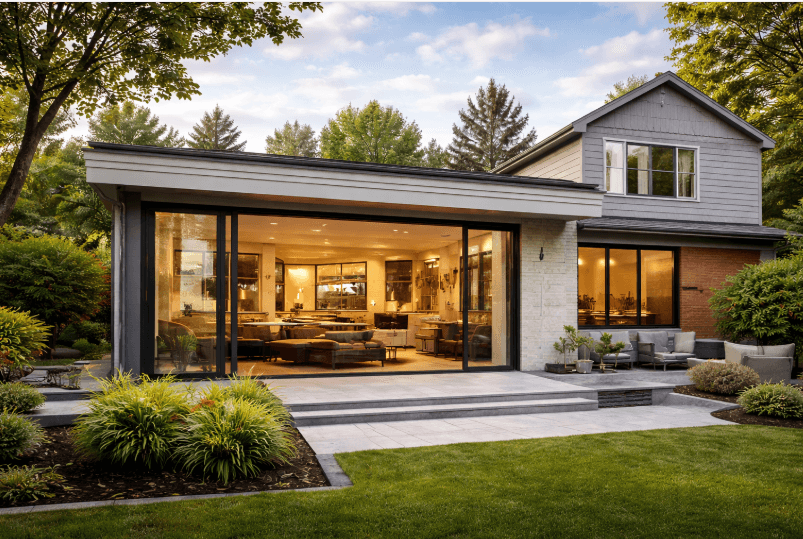
Common Types of House Additions
H3 Side Addition
A side addition expands your home horizontally, often used to add a garage or enlarge living areas.
Benefits:
- Lower construction cost
- Simpler structural work
- Faster approval process
Best suited for detached homes with available lot space.
Second Floor Addition
A second floor addition builds upward, significantly increasing total square footage.
Key Features:
- Maximum space gain
- Requires structural reinforcement
- Needs engineering and permits
Ideal for homeowners with limited lot space.
Rear Addition
Rear additions extend the home backward, commonly used for kitchens or open-concept living areas.
Advantages:
- Improves natural light
- Enhances layout flow
- Flexible design options
Key Considerations Before Building
Before starting a house addition, consider:
- Zoning bylaws and building permits
- Structural capacity of the existing home
- Exterior design consistency
- Budget and timeline
👉
Summary
House additions are not one-size-fits-all. The right approach depends on your lot, budget, and lifestyle. A well-planned addition can greatly improve both functionality and property value.
FAQ
Q1: Do I need a permit for a house addition in Toronto?
Yes, most additions require city permits and professional drawings.
Q2: Which type of addition is most cost-effective?
Side additions are usually more affordable, while second floor additions provide the most space.
Thinking about expanding your home? Reno Compass offers full-service design and build solutions to bring your vision to life.
📞 Phone: 905-597-8566
🌐 Website: https://www.renocompass.ca/
